‘Prime targets’: The punters ‘washing’ tens of millions and the bosses in the firing line
SMH - Harriet Alexander
The financial crimes watchdog boss has put NSW club directors on notice that they could be held personally responsible if their poker machines are used to launder dirty money, describing clubs with weak compliance programs as “prime targets” for criminals.
Australian Transaction Reports and Analysis Centre chief executive Brendan Thomas told a Clubs NSW conference late last year that too many pubs and clubs had taken a “tick and flick” approach to managing their money-laundering risk, and were not flagging suspicious customers.
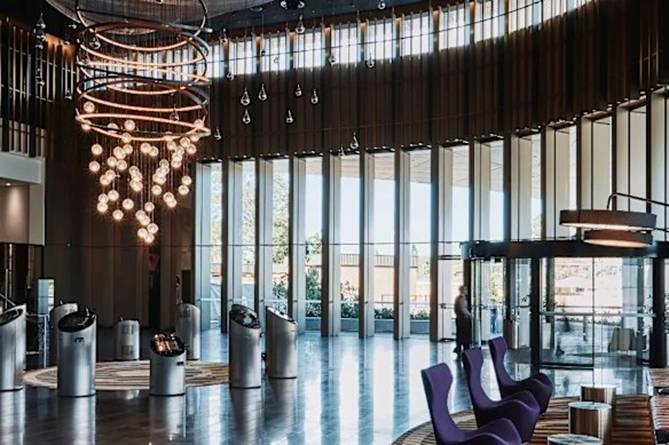
One of the 10 suspicious customers identified by AUSTRAC allegedly visited Mounties club almost daily and habitually fed large amounts of cash into the pokies without playing.
“I’ve seen directors pore over profit sheets but completely disregard the fact a large percentage of it is suspicious,” Thomas said.
“As directors, you carry ultimate responsibility.”
AUSTRAC has rated pubs and clubs with poker machines as medium risk for money laundering because they handle significant volumes of cash, deal in rapid transactions and are seen by criminals as less tightly regulated than casinos.
Its crackdown on the industry follows actions against Crown Casino, Sky City Casino and Star City Casino, and investigations into Sportsbet, The Ville Casino and Mindil Beach Casino.
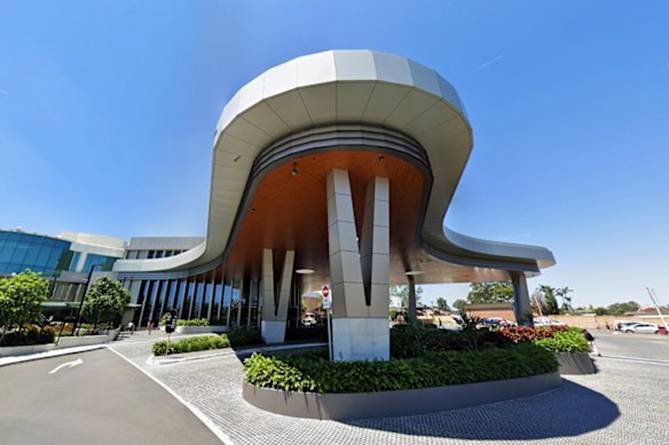
Mounties faces a multimillion-dollar penalty if money-laundering allegations are proven.
AUSTRAC commenced civil proceedings against Mounties in July for serious and systemic non-compliance with anti-money laundering and counter-terrorism financing laws. It has alleged in court documents that 10 suspicious customers alone managed to turn over nearly $140 million through the club group’s poker machines.
Mega-club Mounties, also known as Mount Pritchard District and Community Club, has claimed in court documents that it relied on an anti-money laundering program provided by independent gambling consultant BetSafe. These services included designing and providing training to Mounties’ directors and employees, and advising the club about suspicious matters that gave rise to a reporting obligation.
“Mounties was of the good faith and reasonable view that, in and throughout its engagement of BetSafe, it had engaged experienced and competent advisers to assist in the development and implementation of its [anti-money laundering and counter-terrorism financing] program,” the documents state.
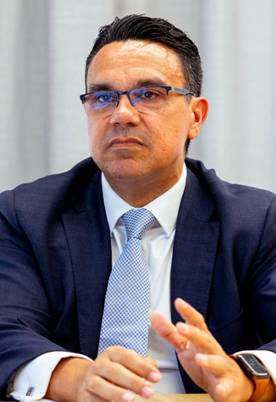
AUSTRAC chief executive Brendan Thomas has alleged that Mounties failed to manage the risk of money laundering through its pokies.
But Thomas told clubs at their annual conference that directors needed to actively engage with their anti-money laundering compliance, and that laws due to take effect this year would place them under increased scrutiny.
“You can’t outsource responsibility for compliance,” Thomas said.
“You need to be getting regular reports and ensuring the controls are working effectively. The focus is on outcomes, not ticking boxes.”
Only 7 per cent of clubs submitted suspicious matter reports in 2025, and about half of these were from 10 clubs.
AUSTRAC alleges the Mounties board and senior managers failed to ensure compliance. Thomas said one of the 10 suspicious customers identified by AUSTRAC visited the club almost daily and habitually inserted large amounts of cash into the pokies without playing, which should have raised red flags.
Gaming & wagering Ten suspicious gamblers punted $140m at a Sydney club. No one allegedly noticed
“Imagine someone walking into your club, dropping tens of thousands of dollars in cash into a machine and barely having a spin before cashing out,” Thomas said.
“That’s not a regular punter – it’s a classic wash pattern we see in money laundering.”
Mounties claimed in documents filed in the Federal Court that it had submitted suspicious matter reports about eight of the 10 suspicious customers, but it said two of the customers were had not been identified as high risk when they should have been.
It also admitted that it did not conduct appropriate source of wealth checks on any of the suspicious customers, though it did some checks on four of them, using publicly available records.

Poker machines How Sydney’s dirty money moved from casinos into suburban clubs
The club group concluded from those checks that the customers’ gambling activities were not consistent with their source of funds, yet it continued to provide services to them.
However, it clarified that the $140 million they collectively wagered included winnings fed back into machines and could be many times the amount deposited by, or paid out to, the customer. The turnover would not necessarily have been any different if contraventions had not occurred.
Mounties said in a statement that it had been co-operating with AUSTRAC.
“While Mounties had an AML/CTF [anti-money laundering and counter-terrorism financing] program which was developed by experienced third-party advisers, Mounties acknowledges that it was ultimately responsible for ensuring that it complied with its AML/CTF obligations,” the statement said.
“We take our anti-money laundering obligations seriously and have dedicated significant investment and resources to transform our AML/CTF capabilities since being notified by AUSTRAC of its concerns. This transformation is well progressed, with key improvements made across our systems, processes, governance, and culture, while also reducing our reliance on third-party providers.”